
 Available in US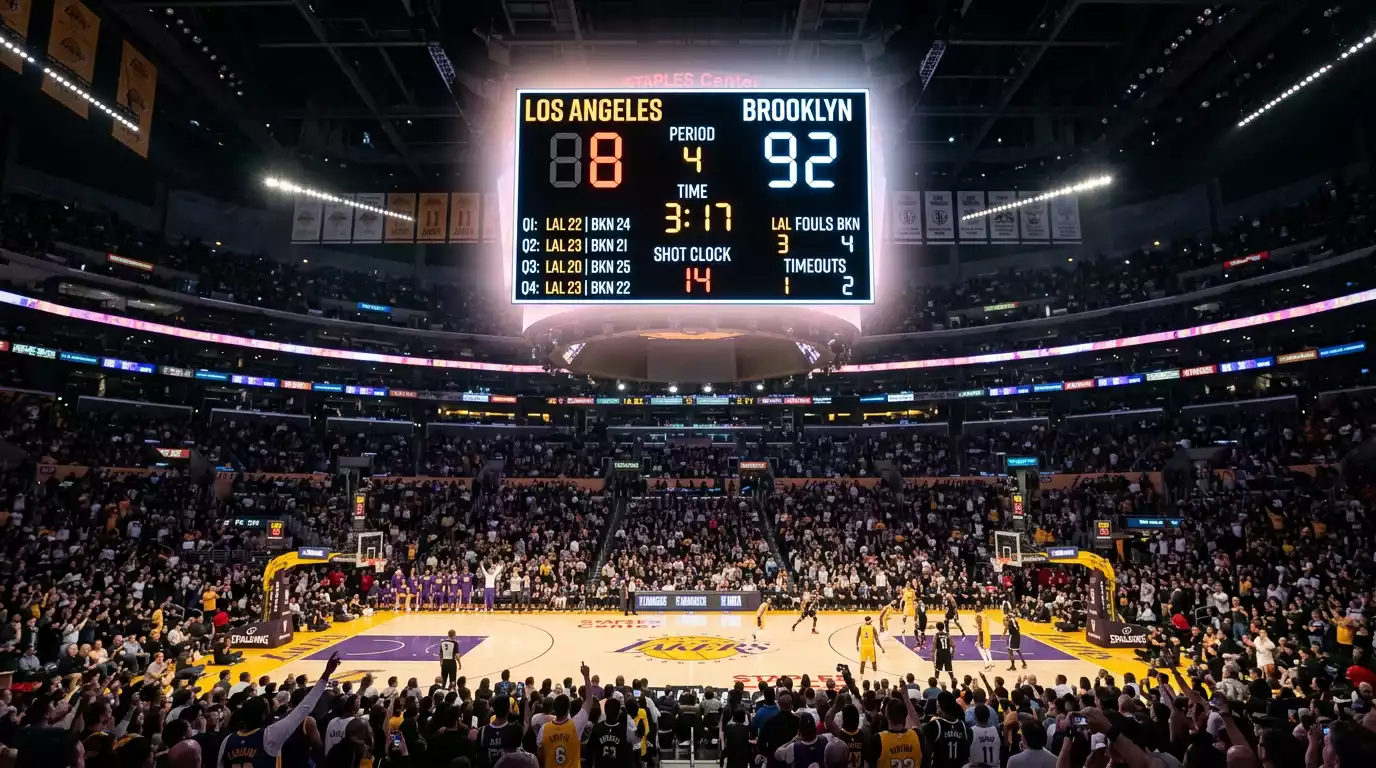
They won the first quarter by eight points and lost the game by fifteen. That result destroyed my accumulator but taught me something valuable: quarters operate differently than full games. Understanding these differences opened new betting opportunities I had completely overlooked.
Quarter betting allows wagering on individual twelve-minute periods rather than entire games. Each quarter features its own spread, moneyline, and total, creating four separate betting opportunities within every NBA contest. This market granularity lets you target specific game phases where you identify edge.
The dynamics driving quarter outcomes differ from full-game factors. Rotations vary by period. Fatigue accumulates differently. Teams with strong bench units perform better in certain quarters. Recognising these patterns creates opportunities unavailable in traditional full-game markets.
Quarter betting rewards specialists who track period-specific statistics rather than relying solely on full-game analysis. Building expertise in one or two quarters often yields better results than spreading attention across all four periods and complete games.
Types of Quarter Bets
Quarter markets initially overwhelmed me with options. Breaking them into categories clarified which opportunities suited different situations.
Quarter spreads function identically to full-game spreads but cover only one period. A team favoured by -2.5 for the first quarter must win that quarter by 3 or more points for the bet to cash. These spreads are naturally smaller than full-game lines, typically ranging from -1 to -4 for any given quarter.
Quarter moneylines ask simply which team wins the specific period. Ties are possible in quarters, unlike full games, which creates three potential outcomes rather than two. Some bookmakers offer two-way moneylines that push on ties, while others offer three-way moneylines including the draw.
Quarter totals set over/under lines for combined scoring within one period. Typical first quarter totals range from 52 to 58 points depending on the teams involved. Fourth quarter totals often differ due to game state affecting play style.
Winning margin bets ask which team wins a specific quarter and by how many points. These prop-style wagers offer higher odds but require more precise predictions than simple spreads or moneylines.
First Quarter Betting Strategies
First quarter betting became my strongest market once I understood what drives early-game performance differently than late-game outcomes.
Home favourites win approximately 69% of games outright, but first quarter performance often differs from full-game results. Some teams start slowly and rely on second-half runs. Others jump to early leads and coast. Identifying these patterns through historical data reveals first quarter value.
Starting lineup strength matters disproportionately in first quarters. Bench units do not factor heavily into opening periods. Teams with elite starting fives but weak benches often dominate first quarters before fading. Conversely, deep teams might struggle early but recover later.
Travel and fatigue affect first quarters visibly. Tired teams often show sluggish starts before finding rhythm. Road teams dealing with timezone changes might begin slowly before adjusting. These factors produce first quarter outcomes that diverge from full-game expectations.
Coaching philosophy influences first quarter approach. Some coaches scheme specifically for early advantages, designing plays that work before opponents adjust. Others prefer to gather information early and attack later. Understanding coaching tendencies sharpens first quarter predictions.
Fourth Quarter Dynamics
Fourth quarter betting requires accounting for game state in ways other quarters do not. The context of the previous 36 minutes shapes everything about the final twelve.
NBA favourites win approximately 68% of games outright, but fourth quarter outcomes depend heavily on margin entering the period. Blowouts see starters resting while benches play extended minutes. Close games feature starters playing every minute with maximum intensity. These different contexts produce vastly different fourth quarter dynamics.
Late-game fouling affects fourth quarter totals significantly. Trailing teams intentionally foul to stop the clock, sending opponents to the free throw line repeatedly. This strategy inflates fourth quarter scoring in close games, pushing totals higher than other quarters.
Garbage time creates unusual outcomes when games are decided before the fourth quarter begins. Backups play extended minutes, producing results unrelated to team quality. Fourth quarter betting in potential blowouts carries higher unpredictability.
For related live betting strategies during fourth quarters, our live betting guide explains in-play approaches that complement quarter betting.
Quarter Totals and Trends
Quarter totals required different analysis than full-game totals. The twelve-minute sample creates unique patterns worth understanding.
First quarter totals tend toward the lowest numbers. Teams start cautiously, working through initial game plans before adjusting. Shooting percentages often fluctuate more in opening quarters as players find their rhythm. This settling process typically produces slightly lower scoring than later quarters.
Second quarters often see totals tick upward. Teams have adjusted to opponent schemes and found their shooting touch. Bench units enter, sometimes accelerating pace. The comfort of mid-game play often boosts efficiency compared to nervous openers.
Third quarters produce variable totals depending on halftime adjustments. Some teams come out flat after the break while others surge with refined strategies. Predicting third quarter totals requires understanding which teams make effective halftime adjustments.
Fourth quarter totals depend entirely on game state entering the period. Close games see inflated scoring from intentional fouling and urgent shot selection. Blowouts see depressed scoring as bench units run down the clock. Predicting fourth quarter totals requires assessing likely margin before considering scoring rates.
Tracking quarter-specific performance by team reveals patterns invisible in full-game analysis. Some teams consistently outscore opponents in first quarters. Others fade early but surge late. These tendencies provide quarter betting angles unavailable to those analysing only complete games.
Combining quarter betting with full-game positions creates hedging opportunities. If your full-game spread looks shaky after two quarters, a third or fourth quarter bet can partially offset potential losses. This tactical flexibility rewards understanding quarter dynamics.
Quarter betting suits bettors who watch games live. Observing first quarter performance informs second quarter betting. Watching the first half shapes third quarter positions. Real-time information provides advantages over pregame-only quarter bettors.
Building quarter-specific models improves prediction accuracy over full-game extrapolation. Track team scoring by period, identify consistent patterns, and note which factors predict quarter performance independently of full-game expectations.
Understanding bookmaker margins on quarter bets versus full-game bets reveals where value concentrates. Some markets price quarters less efficiently than complete games due to lower betting volume. Identifying these inefficiencies creates edge opportunities.
Specialising in one or two quarters rather than spreading attention across all four deepens expertise. First quarter specialists develop different skills than fourth quarter experts. Focused specialisation produces better results than diluted attention across all period markets.
Recording quarter-specific results builds a personal database revealing your strengths and weaknesses across different periods. This performance tracking guides where to focus future quarter betting attention for maximum edge development.
Quarter Betting FAQ
Articles
Written by the editors at betusnba_com.
