
 Available in US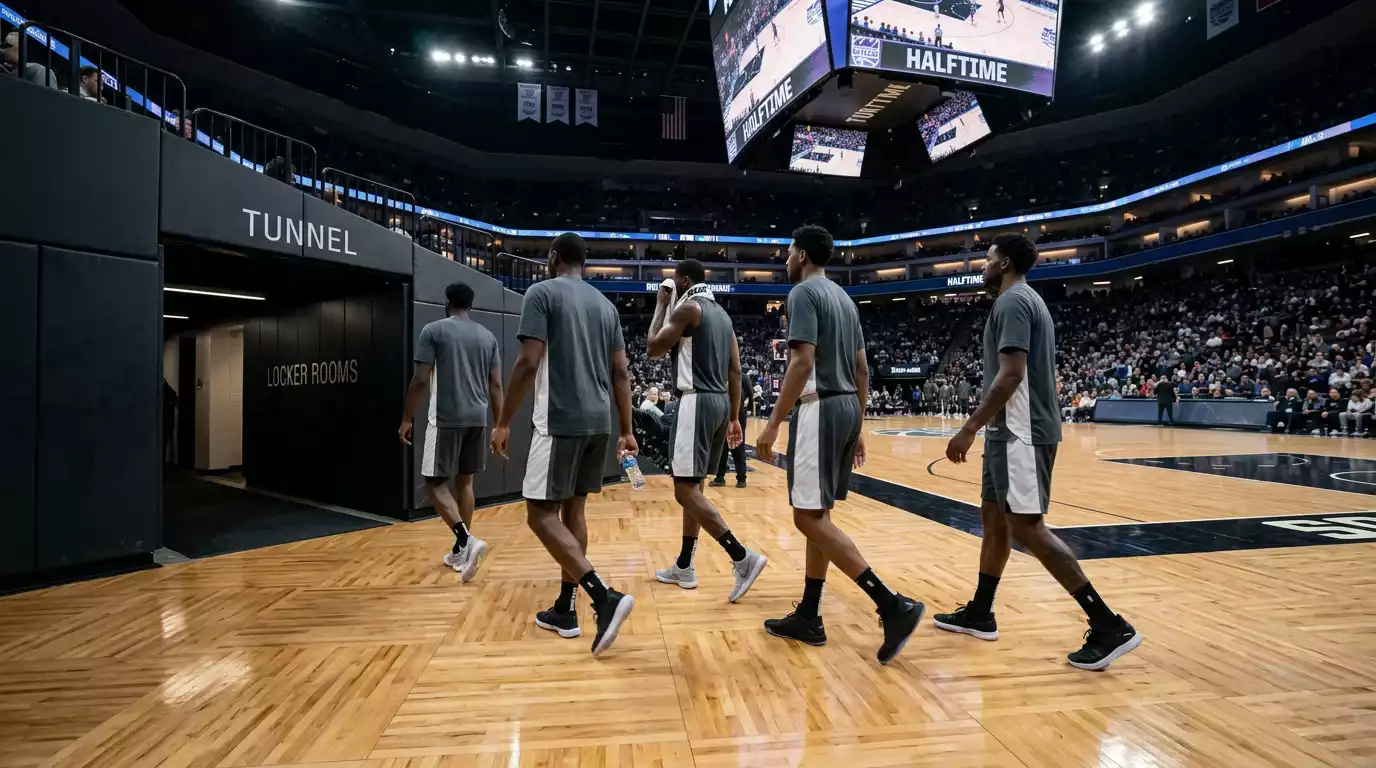
Halftime arrived with my team down twelve points and I had written off my full-game bet. Then I noticed the second half line offered my team at +2.5. They won the second half by eight. Same game, different opportunities. Halftime markets became essential to my approach after that revelation.
Halftime betting divides NBA games into two twenty-four minute segments, each with its own spread, moneyline, and total. First half bets close at tip-off, while second half bets open during the halftime break. This structure creates opportunities unavailable in traditional full-game markets, particularly for those who analyse half-specific performance patterns.
Understanding what drives first half and second half outcomes differently improves both pre-game half betting and live second half wagering. Teams perform inconsistently across halves for identifiable reasons that sharper bettors can exploit.
Halftime analysis provides more data points from a single game than full-game betting alone. Each game offers two separate betting opportunities with distinct analytical considerations. This market depth rewards systematic approaches to half-specific handicapping.
Understanding Halftime Markets
Halftime markets seemed redundant until I recognised they capture different information than full-game lines.
First half betting operates like condensed full-game wagering. You bet before tip-off on which team wins the first half spread or total. These markets close when the game begins and settle at halftime. First half specialists often find value by focusing on factors that manifest early rather than throughout entire games.
Second half markets open during the halftime break, with lines adjusted based on first half results. A team that dominated the first half might be favoured in the second half too, or the line might account for expected regression. These lines incorporate information unavailable before tip-off.
I. Nelson Rose, a gaming law expert, noted that in-game betting developed significantly in England before spreading globally, with over 50% of bets now placed after events begin. Second half betting represents one form of this in-play wagering that UK bettors pioneered.
Half totals typically run slightly less than half the full-game total due to first half caution and fourth quarter uncertainty. First half totals often range from 105 to 115 depending on the teams involved.
First Half Betting Approach
First half betting rewarded different analysis than full-game wagering once I understood the distinct dynamics.
Starting lineup strength matters disproportionately in first halves. Bench rotations affect second halves more significantly. Teams with elite starters but weak benches often dominate first halves before fading. Targeting these teams for first half bets while fading them for full games captures this dynamic.
Home favourites win approximately 69% of games outright, but first half home performance sometimes differs from full-game results. Some teams feed off crowd energy early before coasting. Others start slowly at home before rallying. Historical first half home performance reveals these patterns.
Travel fatigue manifests most clearly in first halves. Tired road teams often show early sluggishness before finding rhythm. By the second half, they have adjusted. First half betting captures this fatigue impact before recovery occurs.
First half totals trend slightly lower than pace-adjusted second half expectations. Teams start cautiously, work through game plans, and accept early inefficiency while gathering information. This conservative opening approach suppresses first half scoring relative to later periods.
Second Half Line Opportunities
Second half markets opened the most consistent edges I found, precisely because they incorporate first half information that sometimes misleads.
Regression toward team quality affects second halves predictably. A team that significantly underperformed their expected level in the first half will likely improve in the second. Markets sometimes overweight first half results, creating second half value on teams that started poorly but remain fundamentally sound.
League parity continues increasing, with underdogs covering spreads more frequently than historical averages suggested. This trend applies within games too. Teams trailing at halftime often compete better in second halves than first half margins suggest, particularly when the deficit reflects variance rather than genuine quality gaps.
Halftime adjustments favour certain teams. Strong coaching staffs make effective half-time changes that improve second half performance. Identifying which coaches consistently out-adjust opponents reveals second half betting angles.
First half blowouts create second half value on trailing teams. When starters rest and benches play extended fourth quarter minutes, the trailing team’s second half performance improves relative to first half margin. Garbage time compresses second half margins in blowouts.
Live Betting at Halftime
Halftime provides a natural pause for evaluating live betting opportunities with more information than pre-game but less chaos than mid-action.
Second half lines incorporate first half results, but accuracy varies. Bookmakers must post lines quickly during the fifteen-minute break. This time pressure sometimes produces less refined lines than pre-game offerings. Alert bettors can identify second half mispricing before markets settle.
Assessing first half performance context sharpens second half bets. Did the leading team earn their margin through sustainable advantages or lucky shooting? Did the trailing team face poor variance that will likely regress? Watching the first half provides information statistics alone cannot capture.
Injury developments during first halves affect second half lines. A player tweaking an ankle or accumulating foul trouble changes second half expectations. Monitoring injury news during halftime reveals situations where second half lines have not fully adjusted.
Foul trouble accumulated in the first half shapes second half dynamics. A star with four fouls faces restricted minutes in the third quarter. This personnel change affects both spread and totals expectations for the remaining periods.
Momentum assessment at halftime informs second half positions. Which team finished the second quarter stronger? Did the trailing team show fight or capitulation? These qualitative observations supplement statistical analysis of first half performance.
Building halftime betting into your live betting routine requires preparation before games begin. Know which games you might bet at halftime. Have accounts ready for quick execution during the brief halftime window. Preparation prevents missed opportunities.
Tracking your halftime betting performance separately from full-game results reveals whether this market suits your analytical strengths. Some bettors find consistent edge in second half markets. Others discover their skills apply better elsewhere. Personal data guides strategic focus.
Comparing second half totals to first half scoring reveals regression patterns worth exploiting. High-scoring first halves often see second half scoring regress toward averages. Low-scoring first halves frequently see offensive improvement. These regression tendencies inform second half totals positions.
Understanding which teams make effective halftime adjustments improves second half predictions. Some coaches consistently improve performance after the break through tactical modifications. Others struggle to adapt mid-game. Tracking these patterns creates actionable second half edges.
For comprehensive live betting strategies beyond halftime, our live betting guide covers in-play approaches throughout entire games.
Halftime Betting FAQ
Articles
Created by the "betusnba_com" editorial team.
