
 Available in US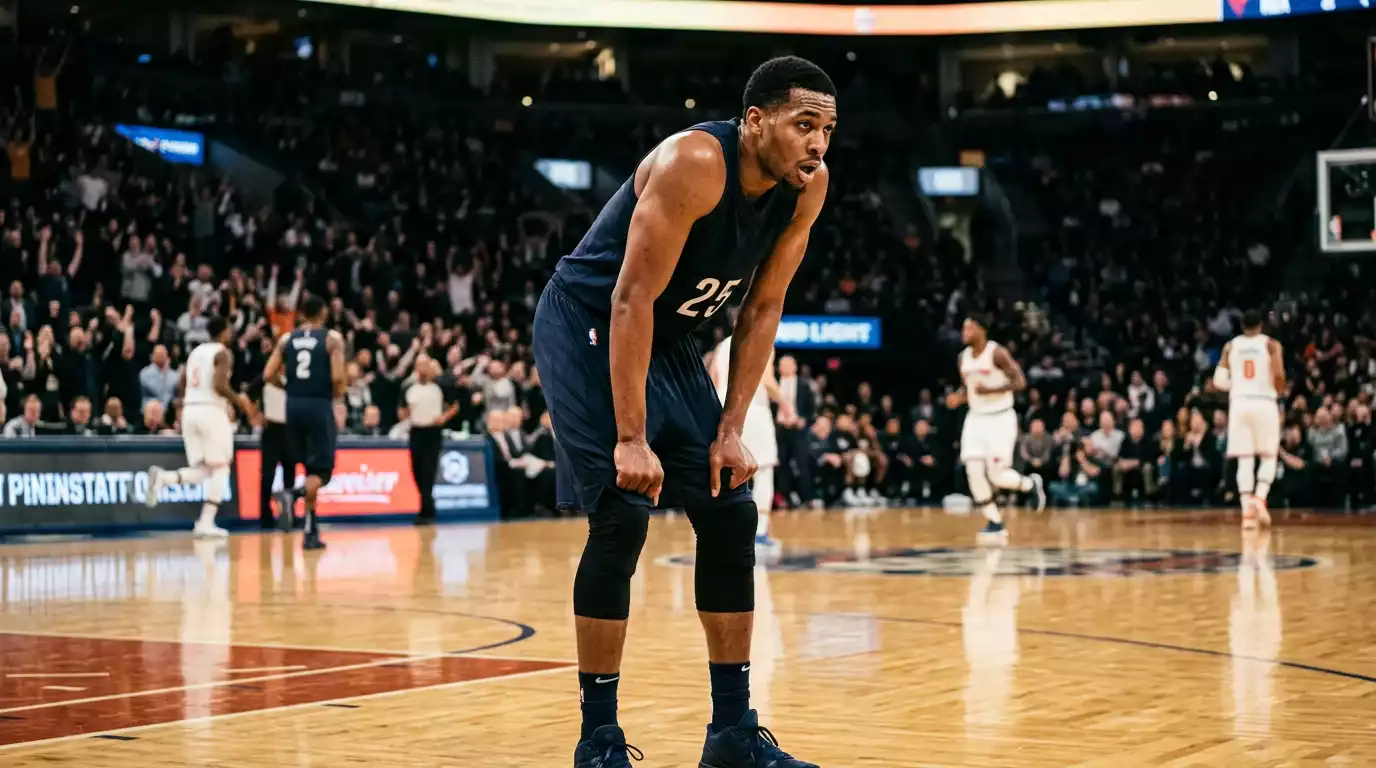
Five cities in eight days. The stat sheet said they lost by seven. My eyes said they were sleepwalking from the opening tip. Travel fatigue does not appear in box scores, but it determines game outcomes in ways that sharpen bettors can exploit.
NBA teams travel more than any other major professional league, crossing timezones constantly and playing in different cities on consecutive nights. This travel burden creates physical and mental fatigue that affects performance measurably. Understanding when travel impacts game outcomes, and how betting markets account for this factor, reveals opportunities invisible to those ignoring schedule logistics.
Bookmakers adjust lines for travel situations, but the accuracy of these adjustments varies. Sometimes markets correctly price fatigue effects. Other times they underadjust or overadjust, creating value for bettors who analyse travel contexts systematically rather than sporadically.
Systematic tracking of travel situations across a season reveals which specific contexts produce the most significant performance impacts. This data guides where to focus attention when handicapping schedule-heavy stretches.
How Travel Affects NBA Performance
My assumption that professional athletes simply handle travel proved naive. The research on performance decrements is clear and significant.
Back-to-back games significantly affect performance, with research showing measurable drops in shooting efficiency, defensive intensity, and overall output. The combination of physical exertion and travel stress compounds normal fatigue effects. Teams playing their second game in two nights perform worse than rested counterparts.
SportsGambler’s analysts emphasise examining travel and rest patterns alongside traditional statistics when breaking down matchups. This approach recognises that schedule context matters independently of team quality. A good team tired from travel might underperform a weaker team enjoying rest advantage.
Flight duration affects recovery time. A one-hour flight between nearby cities creates minimal disruption. A five-hour transcontinental journey followed by an immediate game creates substantial disadvantage. The physical reality of commercial aviation applies even to chartered flights with better amenities.
Sleep disruption compounds physical fatigue. Teams arriving late cannot access their normal sleep windows. Hotel environments differ from home beds. Pre-game routines get compressed or eliminated. These cumulative effects manifest in slower reactions, poorer decisions, and reduced stamina during games.
Long Road Trip Patterns
Extended road trips create predictable performance patterns that careful schedule analysis reveals.
Early road trip games often see teams performing near normal levels. The novelty of travel has not yet accumulated into fatigue. Energy and focus remain high. Performance tends to match or approach expectations based on team quality.
Mid-trip games show the largest fatigue effects. Teams have been away from home for multiple days, sleeping in hotels and travelling between cities. The cumulative burden peaks during this phase. Games four, five, and six of long road trips often produce the worst performance relative to expectations.
Home favourites win approximately 69% of games outright compared to 66% for road favourites. Part of this gap reflects travel fatigue affecting road teams. The home team enjoys rest in familiar surroundings while visitors cope with displacement stress.
Return-home games after long trips deserve attention. Teams might be physically present at home but mentally still recovering from extended travel. The bounce-back narrative suggests home cooking solves everything, but recovery often takes longer than one day. Early games after returning home sometimes underperform home-team expectations.
Timezone Changes and Performance
Timezone transitions affected games more than I initially credited. The science of circadian disruption applies to athletes despite their conditioning.
Westward travel proves easier than eastward biologically. Humans adapt more readily to longer days than shorter ones. Teams travelling from East to West Coast adjust faster than those going the opposite direction. This asymmetry matters for games played shortly after timezone transitions.
Early tip-off times compound timezone effects. A team flying west and playing a noon local start faces what their bodies perceive as a 9am game. Alertness and physical readiness suffer during these body-clock mismatches. Late games for teams travelling east create similar circadian challenges.
Multiple timezone crossings within short periods create accumulated disruption. A team bouncing between coasts mid-trip experiences worse effects than one travelling in a consistent geographic direction. Route analysis adds nuance beyond simple distance calculations.
Altitude changes at specific venues create additional physical stress. Denver’s elevation affects visitor conditioning significantly. Teams arriving from sea level and playing immediately face genuine respiratory disadvantages that compound travel fatigue.
Identifying Fatigue Spots
Systematic schedule analysis identifies the highest-fatigue situations worth targeting for betting purposes.
Road back-to-backs with cross-country travel represent maximum fatigue scenarios. Playing one night, flying five hours, then playing again the next night exhausts even the best-conditioned athletes. These situations deserve significant line adjustment, and markets sometimes still undervalue them.
Long road trips ending against rested home teams create mismatches. The tired team faces both their own fatigue and an energised opponent. Stacking these disadvantages produces larger expected performance gaps than either factor alone.
Schedule lookahead spots reveal motivational fatigue. A team playing a weak opponent before a marquee matchup might subconsciously coast. Looking ahead to the next game while sleepwalking through the current one produces surprising upsets. Checking what comes next contextualises current game effort.
Teams returning from long road trips sometimes underperform immediately at home. The relief of returning creates letdown games despite favourable circumstances. Markets might overvalue home advantage immediately after extended travel without allowing for recovery time.
Division rivalries compress travel distances but increase intensity. Teams playing nearby opponents face less physical fatigue but potentially more emotional strain from competitive familiarity. These situational dynamics differ from cross-country travel scenarios.
Building travel analysis into your pre-game routine requires checking schedules before examining matchup specifics. Know where both teams played yesterday and where they play next. This context shapes expectations before any statistical analysis begins.
Tracking your own performance on travel-based bets reveals whether this angle works for your handicapping style. Some bettors find consistent edge fading tired teams. Others discover markets have already priced fatigue accurately. Personal data guides refinement of travel betting approaches.
Combining travel analysis with other situational factors creates stronger predictions. A tired team facing a rested opponent with revenge motivation and home crowd energy stacks multiple disadvantages that compound beyond individual factors.
Monitoring injury reports for tired teams becomes especially important. Fatigued players are more injury-prone, and coaches may rest borderline-healthy players during gruelling stretches. Travel situations create cascading effects beyond simple tiredness.
Season-long tracking of travel situations builds a database for future reference. Document which specific scenarios produced significant results, whether markets adjusted appropriately, and which teams handle travel better than others. This cumulative knowledge compounds over seasons.
For broader situational betting analysis including rest factors, our spread betting guide explains how schedule context affects point spread markets.
Travel Fatigue FAQ
Articles
Published by the betusnba_com team.
